

Comparison Peugeot 305 II Break (581E) 1.9 Diesel (65 Hp) & Hyundai i30 III CW (facelift 2019) 1.6 CRDi (136 Hp)

Add car |
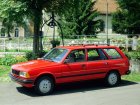
Remove car |
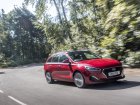
Remove car |
| Brand: | Peugeot | Hyundai |
| Model: | 305 | i30 |
| Generation: | 305 II Break (581E) | i30 III CW (facelift 2019) |
| Engine / modification: | 1.9 Diesel (65 Hp) | 1.6 CRDi (136 Hp) |
| Production start: | 1982 year | 2019 year |
| Production end: | 1988 year | 2020 year |
| Coupe type: | Combi | |
| Num. of Doors: | 5 | |
| Num. of seats: | 5 | |
| Fuel consumption / economy - urban: | 4.9 l/100 km | |
| Fuel consumption / economy - extra urban: | 4.2 l/100 km | |
| Fuel consumption / economy - combined: | 4.4 l/100 km | |
| Fuel Type: | Petrol (Gasoline) | Diesel |
| Fuel tank volume: | 50 l | |
| Emission standard: | Euro 6d - TEMP | |
| CO2 emissions: | 116 g/km | |
| Power: | 65 hp | 136 hp |
| Max power in: | 4000 rpm. | |
| Maximum speed: | 200 km/h | |
| Acceleration from 0 to 100 km/h: | 10.4 sec | |
| Torque: | 280 Nm @ 1500-3000 rpm. | |
| Engine position: | Front, transverse | |
| Engine displacement: | 1598 cm3 | |
| Fuel System: | Diesel Commonrail | |
| Aspiration / Turbine: | Turbocharger / Intercooler | |
| Position of cylinders: | Inline | |
| Number of cylinders: | 4 | |
| Number of valves per cylinder: | 4 | |
| Piston Stroke: | 85.8 mm | |
| Cylinder Bore: | 77 mm | |
| Wheel Drive: | Front wheel drive | |
| Number of Gears (manual transmission): | 6 | |
| Length: | 4585 mm | |
| Width: | 1795 mm | |
| Height: | 1475 mm | |
| Wheelbase: | 2650 mm | |
| Front track: | 1559-1573 mm | |
| Rear (Back) track: | 1567-1581 mm | |
| Ride height(clearance): | 140 mm | |
| Front overhang: | 905 mm | |
| Rear overhang: | 1030 mm | |
| Minimum volume of Luggage (trunk): | 602 l | |
| Maximum amount of Luggage (trunk): | 1650 l | |
| Max weight: | 1920 kg | |
| Front brakes: | Ventilated discs | |
| Rear brakes: | Disc | |
| Kerb Weight: | 1340-1495 kg | |
| ABS: | yes | |
| Steering type: | Steering rack and pinion | |
| Power steering: | Electric Steering | |
| Max. roof load: | 80 kg | |
| Permitted trailer load with brakes (12%): | 1500 kg | |
| Permitted trailer load without brakes: | 650 kg | |
| Permitted towbar download: | 80 kg |